Comprehensive Behavior Solutions
Visual schedules: making transitions easier at home
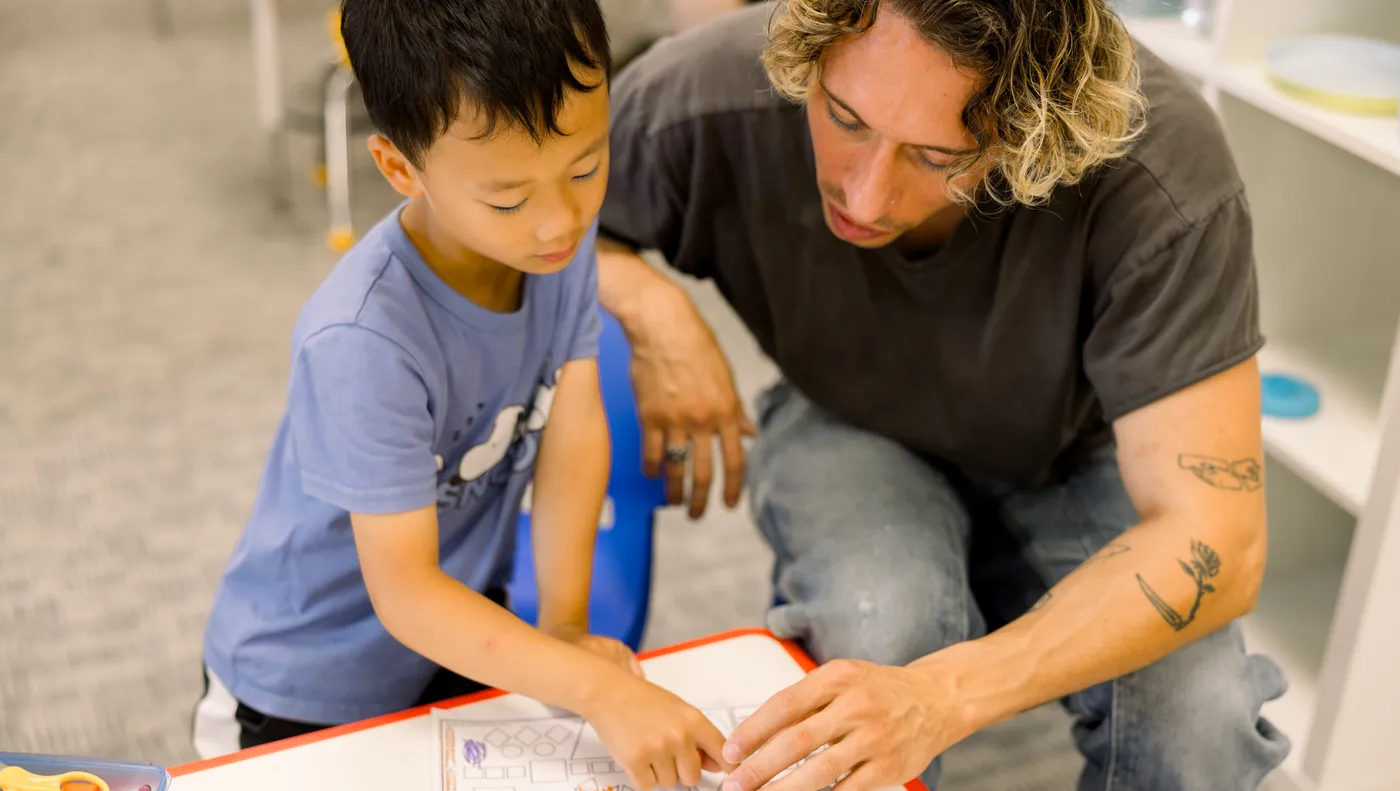
For many children, the hardest part of the day is not any one activity. It is switching between them. A visual schedule helps by showing what is happening now and what comes next, so changes are expected rather than sudden.
Start small with a “first–then” board: two pictures, such as first shoes, then playground. Once that is familiar, build a short strip for one routine, like mornings or bedtime, with three to five steps.
Use photos, simple drawings, or printed icons, whichever your child understands best. Put the schedule where the routine happens and at your child’s eye level. Let your child move or check off each picture as it is finished; that small action is often the most motivating part.
Point to the schedule instead of repeating instructions. When something has to change, change the picture and show your child before it happens. Pairing the schedule with a timer or a two-minute warning can make stopping a favorite activity easier.
Visual schedules are widely used in ABA programs and classrooms, so the same tool can follow your child across settings. Your child’s team can help you choose the right format and decide when to fade it as routines become independent.
Questions about how these ideas fit your child's plan? Reach out to Comprehensive Behavior Solutions.